The Evolution of Orange: Fashion’s Most Rebellious Color

Orange is everywhere - from Taylor Swift to the tangerine runways of high fashion to Timothee Chalamet’s Marty Supreme campaign. Once too unstable for fabric and too bold for everyday wear, the color has evolved from toxic rarity to timeless icon. Few colors have captured cultural change as vividly as orange. Today, its story is not just aesthetic, but strategic.
This piece unpacks orange’s evolution through art, cinema and couture, before diving into the data shaping its latest revival - and what that means for designers today.
From Accent to Icon
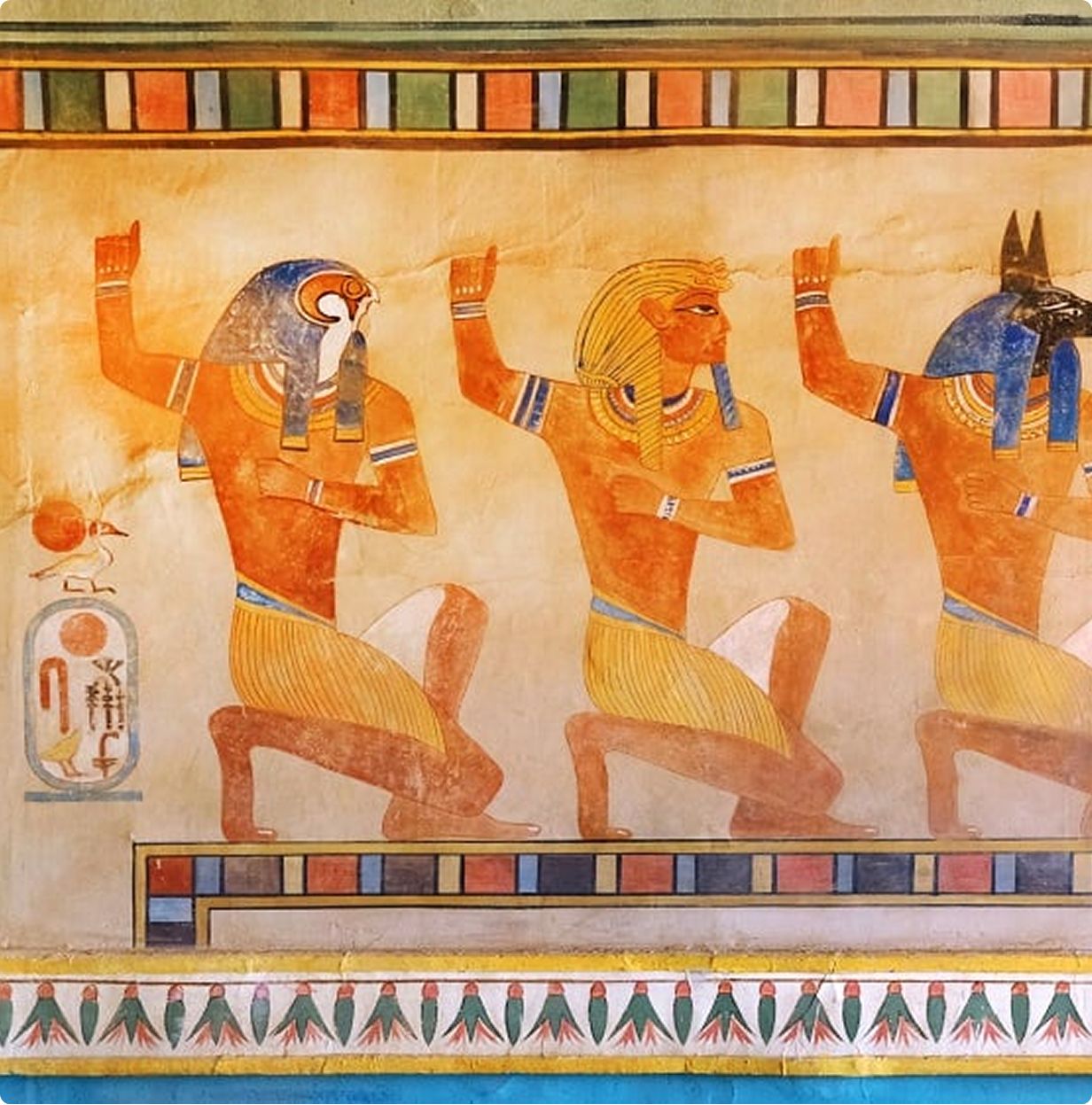
The color orange has always carried an air of rarity and spectacle. Ancient Egyptians used realgar - a fiery, arsenic-laced mineral - to line tomb walls, with traces appearing in cloth wrappings and textiles. The Romans prized orpiment, a rare golden-orange pigment. Too unstable for full garments, it appeared only in luxury accents like woven trims and embroidery, signaling status and wealth. In Asia, saffron-dyed robes became a sacred symbol of transformation and knowledge in Buddhism, embedding orange with spiritual weight.
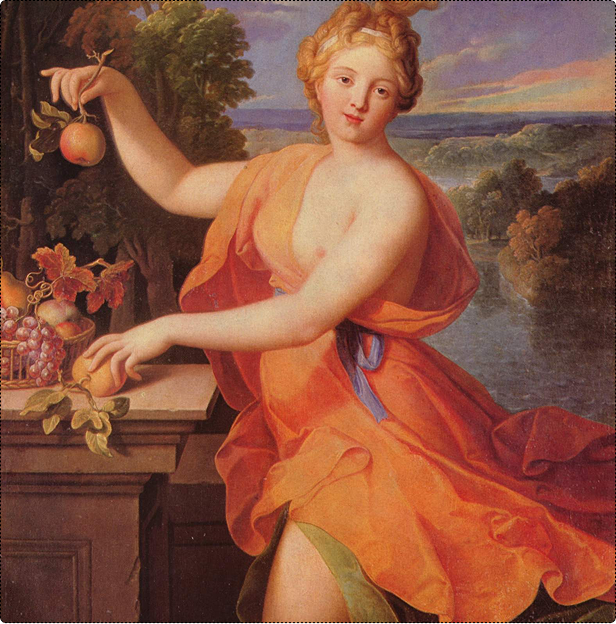
By the 17th and 18th centuries, orange was beginning to slip into mainstream fashion and interiors. Silk dyers, experimenting with blends of madder, weld, and saffron, achieved peach and pumpkin tones that appeared in gowns, ribbons, and trims - bold accents in an era dominated by ivory and pastel. Art reinforced this shift; Nicolas Fouché’s Pomona (c.1700) dressed the goddess of abundance in radiant orange fabric; Jean-Honoré Fragonard’s The Swing (1767) gave Rococo decadence a flash of orange; and Élisabeth Vigée Le Brun’s Marie Antoinette and her Children (1787) presented the queen in a pumpkin-toned silk velvet gown trimmed with fur. More than decorative choices, these depictions signaled orange’s ascent from precarious pigment to the wardrobes of Europe’s elite.
Innovation in dye technology in the 19th century made orange viable for textiles at scale. Synthetic pigments like chrome and cadmium orange pushed the hue into blazing modernity. No longer confined to trims but saturating full gowns and accessories. Surviving garments like the Depret French Silk Gown (1867–71, Met Museum), show how orange shifted from accent to centerpiece, cloaking society women in fiery silks. Works like Frederic Leighton’s Flaming June (1895) immortalising molten fabric as a subject of desire, proving orange was no longer marginal but magnetic.
Canvas to Couture
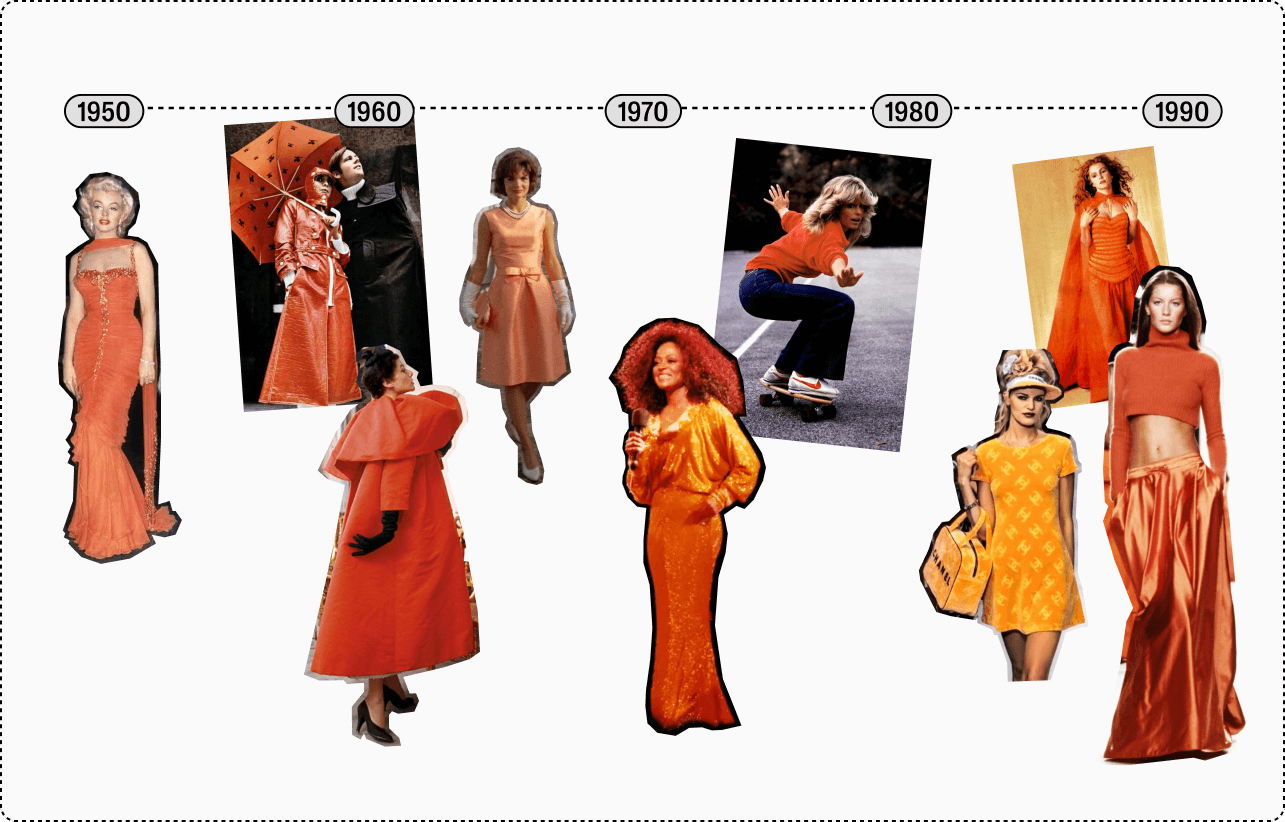
The 20th century pushed orange further, pulling it from canvas into movement, cinema, and couture. On stage, ballerina Anna Pavlova’s 1920s silk-chiffon dress shimmered in citrus hues. Soon after, the brilliance of Technicolor made orange irresistible on screen. Marilyn Monroe’s silk Travilla gown in Gentlemen Prefer Blondes (1953) and Dorothy Dandridge’s fiery skirt in Carmen Jones (1954) reframed orange as bold femininity, while couture mirrored this drama. The runway kept pace. Princess Margaret’s Dior gown with orange embellishment proved the color could be aristocratic as well as avant-garde. These moments hinted at orange’s coming transformation, from accent to mainstream trend.
By the 1960s, orange exploded into mainstream fashion. André Courrèges launched it into the space age with vinyl coats, while Pucci’s swirling prints and Dior’s orange tweed suit made it unmistakably modern. The color carried the optimism of a new era, splashed across minis, jumpsuits and interiors. Jackie Kennedy’s peachy-orange Oleg Cassini dress made headlines, as did Cristóbal Balenciaga’s sculptural orange day dress.
The 1970s and ’80s shifted orange’s register. What had been electric citrus softened into terracottas and rusts, woven into flared trousers, crochet tops and desert-toned silks. It became the palette of the bohemian turn - a color of ease, naturalism, and self-expression. Cinema carried the same duality: Diana Ross’s orange ensembles, both on stage and in Mahogany, embodied glamour and transformation, while Sigourney Weaver’s sparkling burnt-orange dress in Ghostbusters became an iconic moment of on-screen seduction.
By the close of the century, orange’s mainstream presence had dimmed, yet the color still surfaced in film and on the runway. In Dracula (1992), Eiko Ishioka dressed Lucy in searing orange to signal passion and awakening, while Karl Lagerfeld paired it back in Chanel’s Spring/Summer 1996. Versace and Christian Lacroix revelled in its theatrical charge on the late ’90s couture, Gisele Bündchen’s bright-orange Ralph Lauren runway look cemented the color in the decade’s visual memory.
Coded in Culture
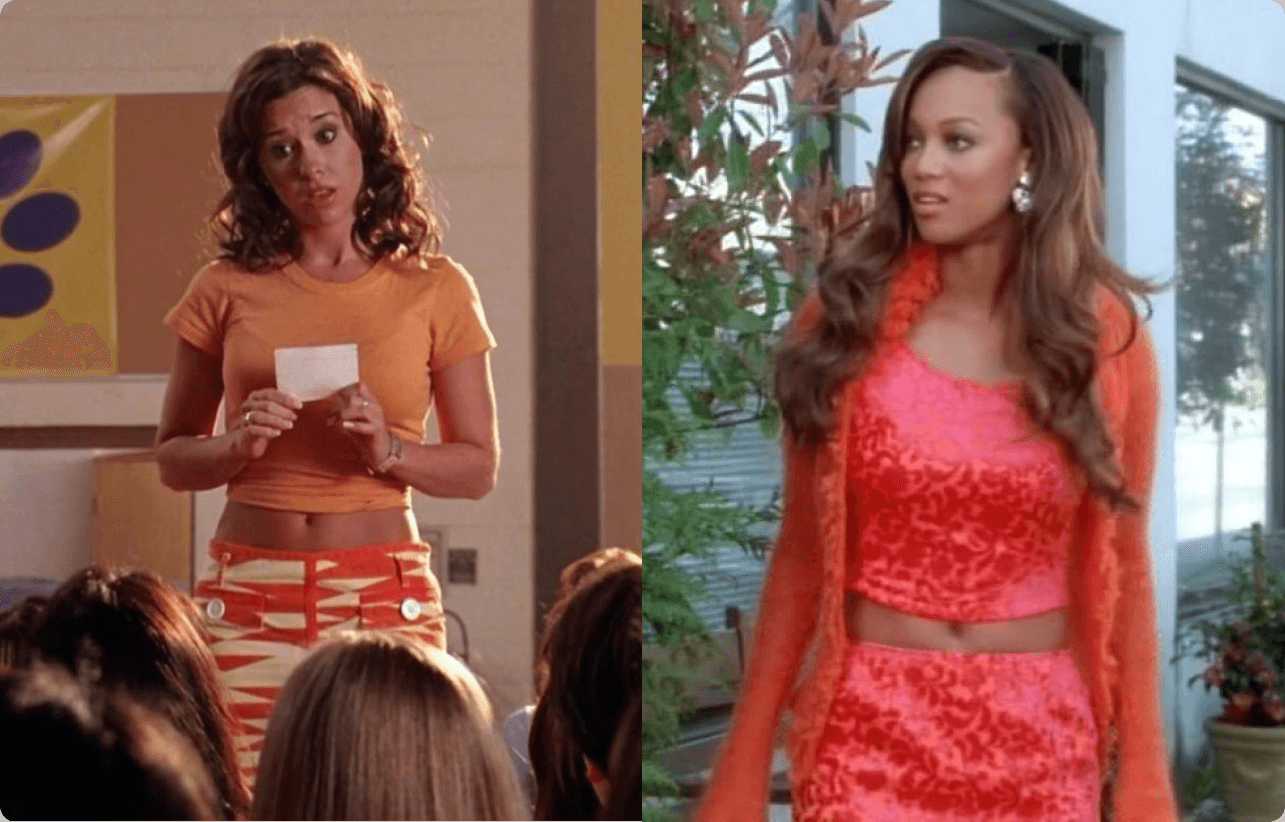
By the 21st century, orange had shed its reputation as precarious or difficult and hardened into cultural code. Subculture carried it first: the ’90s bled into the 2000s with rave flyers, reflective gear, and Y2K nylon windbreakers, where orange was synthetic, hyper-visible, and impossible to ignore. Streetwear and skate graphics kept the energy alive, while cinema mirrored the moment. Gretchen’s Y2K-print orange outfit in Mean Girls (2004), Andy’s fur-trimmed poncho in The Devil Wears Prada (2006), and Eve’s spicy orange co-ord in Life-Size (2000) all captured the era’s obsession with color as confidence.
High fashion moved in parallel. Raf Simons shocked Jil Sander’s minimalist Autumn/Winter 2009 runway with sculptural flashes of orange against an otherwise neutral palette. Soon after, houses like Dior, Céline, and Versace used citrus tones as a recurring motif.
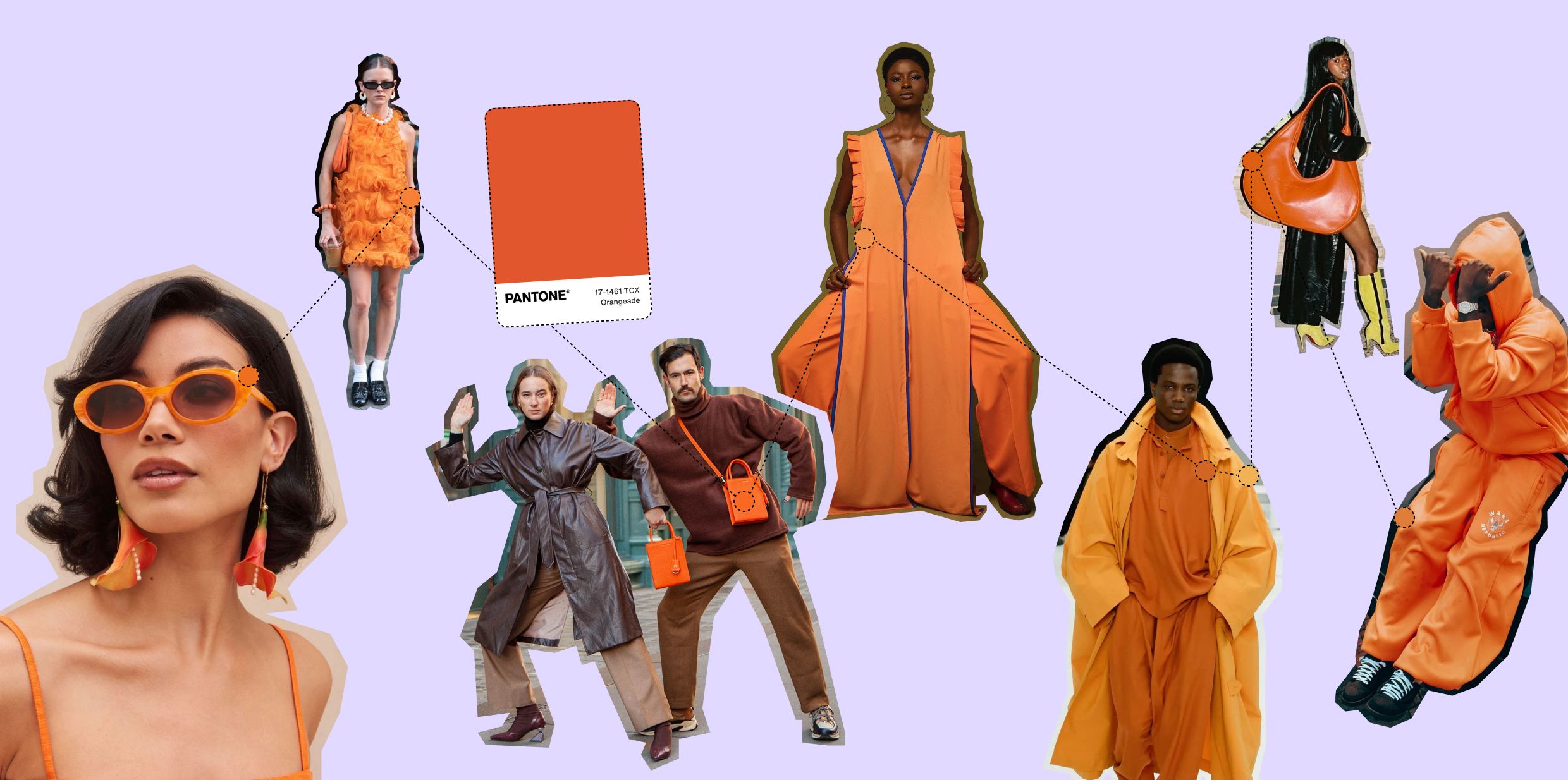
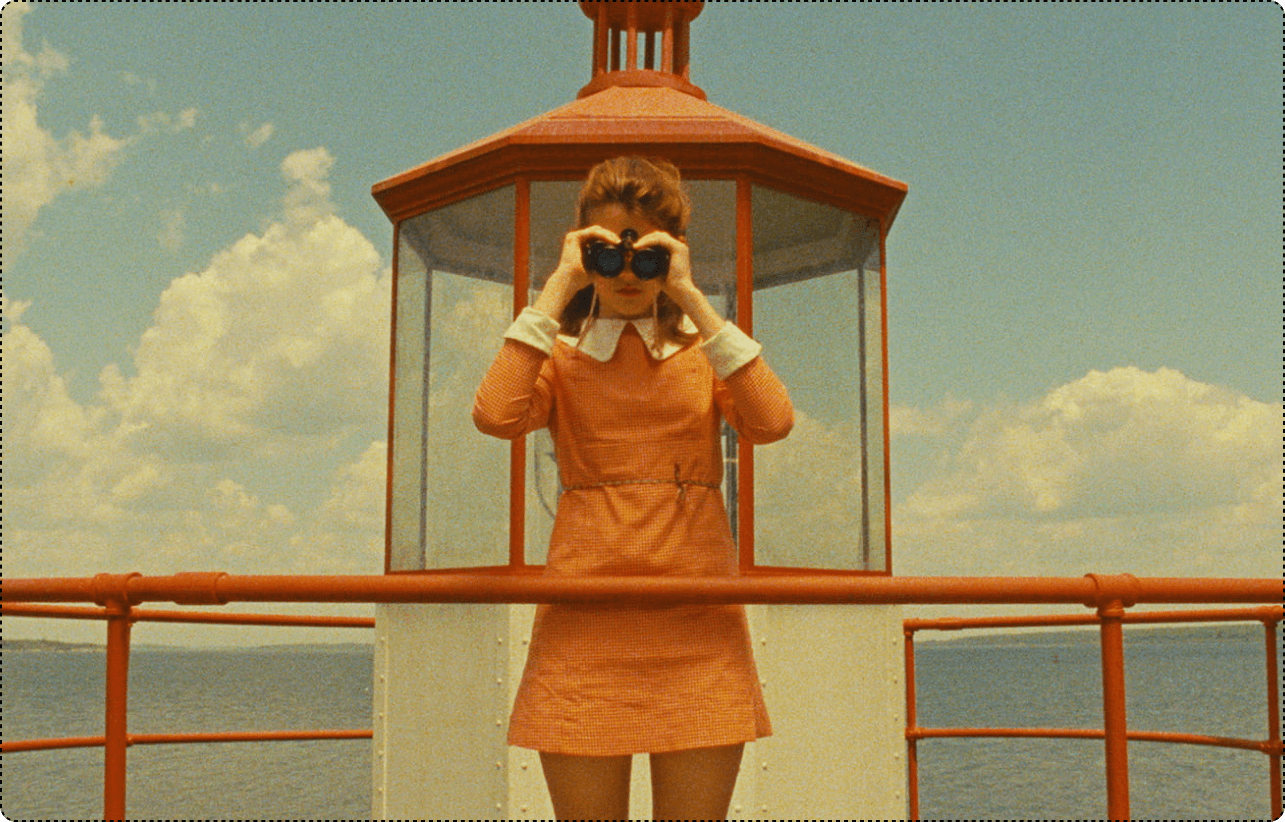
Culture at large sealed the point. Frank Ocean’s Channel Orange (2012) turned the shade into a metaphor for intimacy and introspection, while Wes Anderson’s signature palettes bathed entire worlds in amber nostalgia. Pantone, the global authority on color, expanded its range of orange shades, reflecting evolving cultural and technological trends.
The 2020s brought full saturation. On the runway, Prada and Fendi drank Aperol brights, while Loewe pushed shimmering tangerine into the spotlight. In street style, Milan to London glowed citrus. And in pop, Taylor Swift all but claimed it in her recent Life of a Showgirl album drop.
The Data on Orange: What It Means for Designers
If the last century proved orange could never truly vanish, the data shows it’s not just back - it’s booming. Across global trend reports, orange dominates runway palettes, search metrics, and consumer behavior in 2025.
Data Snapshot
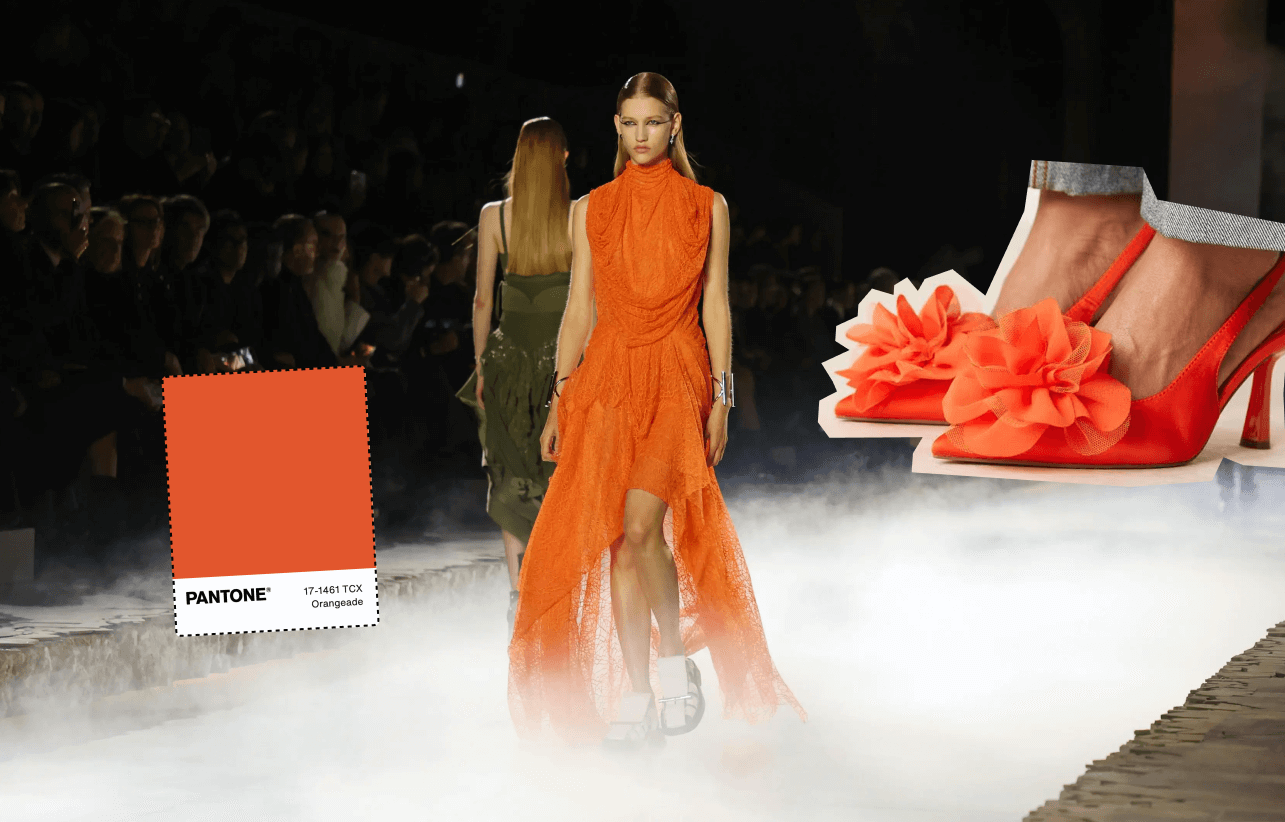
- Pantone crowned Orangeade a top shade for SS25, with new tones like Pumpkin Spice and Cornsilk anchoring AW25 collections.
- Search spikes: “Orange fashion clothing” hit a high in June 2025, and “orange fashion shoes” surged again in late 2024 and mid-2025.
- Runway impact: From Dries Van Noten’s burnt-orange tailoring to Lanvin’s satin columns and Loewe’s tangerine shimmer, designers are exploring orange as both statement and base tone (The Color Insider, L’Officiel, Runway Report, ASOS).
- Retail adoption: Zara’s Red Velvet orange shoe collection and mid-market brands like MMS are using orange across knitwear and accessories, proving its scalability beyond luxury.
- Cultural resonance: ASOS reports a 55% increase in orange-related searches, echoing consumer appetite for “dopamine brights” and sun-drenched palettes.
Design Insight for 2025–26
Orange’s resurgence isn’t just visual, it’s strategic. Consumers link it with optimism, confidence, and energy, aligning with brands that champion positivity and individuality. Brands and designers can apply this momentum through:
- Limited drops in tangerine or terracotta hues to create contrast.
- Hypercolor accents (trims, stitching, typography) for techwear or streetwear appeal.
- Pairing with neutrals: like espresso brown, bone, or soft blue - to elevate wearability while keeping intensity.
Orange’s evolution from rebellion to refinement offers a design blueprint: commit to it, own it, and let it define your era.
Inject Color with Fabra
For Fabra’s community of designers and creators, orange is a case study in how culture drives commerce. Data proves its upward momentum; history shows its power to define eras.